I still remember the first time I tried to cycle from Beşiktaş to Bebek on a Saturday afternoon; it was a lesson in humility, patience, and the sheer unpredictability of Istanbul’s shoreline crowds. I was dodging strollers and street vendors while trying to maintain some semblance of dignity on a heavy rental bike. It was a mess. But when you hit that same stretch at 7:30 AM on a Tuesday, with the salt spray of the Bosphorus hitting your face and the scent of fresh simit wafting from the bakeries, you realize there is no better way to feel the pulse of this city.
In my 15 years living here, I’ve seen the cycling culture shift from a fringe hobby to a genuine way to escape the gridlock, provided you know where the pavement actually welcomes you. Just last Thursday, I found myself at the Isbike station near the Karaköy ferry terminal around 9:15 AM. A quick tap on the app and 100 TL (exactly 2 EUR or about 2.22 USD) later, I was gliding toward the Golden Horn. The kiosks can sometimes be temperamental with non-Turkish credit cards, so I always tell visitors to download the app and link their card there first—it saves you from standing in the sun arguing with a touchscreen that refuses to cooperate.
The beauty of the Istanbul coast is that it belongs to everyone, but it rewards the early risers and those willing to cross to the Asian side. While the European shore has the glamor, the Kadıköy-to-Kartal stretch offers miles of uninterrupted, paved bliss where the only “traffic” is the occasional jogger or a stray cat sunning itself on the path. It’s a side of Istanbul that many visitors miss because they’re stuck in a tram, but once you’ve felt that Marmara breeze while pedaling past the Prince Islands on the horizon, the city starts to feel a lot more intimate. Rental prices for 2026 have stabilized a bit, but you should still budget around 150 TL (3 EUR or 3.33 USD) for a solid afternoon of riding to account for the deposit and a few hours of saddle time. Just keep an eye on the transition points where the bike lane suddenly decides to turn into a tea garden; it’s all part of the local charm, as long as you have your hand on the brake.
Mastering the Isbike System in 2026
Don’t treat the Isbike system like a local scavenger hunt where the prize is a cool breeze off the Marmara Sea. If you expect the seamless precision of a Dutch cycling network, you’ll be frustrated, but if you approach it with a bit of “Istanbul patience,” it’s the most liberating way to see the coastline. The biggest hurdle for most of my friends visiting from abroad isn’t the cycling itself—it’s the initial digital handshake with the kiosk.
I remember standing at the Karaköy docks last Tuesday, watching a couple spend twenty minutes trying to bypass the 150 TL deposit requirement. It’s a mandatory “security” hold (roughly 3 USD or 3 EUR based on current rates) that the app takes to ensure you don’t leave the bike in the middle of the Bosphorus. To avoid the headache I saw them face, make sure your handling cash and card payments are set up for international “3D Secure” transactions, otherwise, the app might reject your top-up.
The Isbike 2026 prices remain a bargain for budget-conscious explorers. You’re looking at 45 TL for the first hour and roughly 35 TL for each subsequent hour. However, the “Available” light on the docking station can be a bit of a liar. I’ve walked up to a row of ten “green” bikes only to find half of them have chains that are as loose as cooked spaghetti or pedals that have seen better days. Always squeeze the tires and check the seat adjustment lever before you scan the QR code. If you scan a dud, you have a very short grace period to dock it back without being charged for a full hour, but it’s a hassle you don’t need.
Berk’s Insider Tip: In 2026, many Isbike stations near Beşiktaş are perpetually empty by 11:00 AM. If you’re starting there, walk ten minutes toward Kabataş to find the lesser-used docks; you’ll almost always find a bike with full tire pressure there.
How to Rent an Isbike in 5 Minutes
- Download the Isbike mobile app from the App Store or Google Play before you leave your hotel’s Wi-Fi.
- Register your account using an active phone number and link a credit or debit card.
- Load a minimum of 200 TL into your “wallet” to cover the 150 TL deposit and your initial riding time.
- Inspect the mechanical state of the bicycle, focusing on the brakes and the QR code’s readability.
- Scan the QR code located between the handlebars via the app to release the lock.
2026 Rental Costs and Currency Conversions
Renting a bike in Istanbul is one of the few things that still feels like a bargain, provided you don’t get tripped up by the deposit system. For 2026, the Isbike system (the city’s primary bike-share program) remains the most cost-effective way to get on two wheels. However, if you’re just tapping your credit card for a “single use” without a membership, you’re essentially paying a convenience tax that adds up quickly.
Last month, I watched a group of travelers at the Moda pier station spend twenty minutes trying to unlock four bikes. They hadn’t accounted for the 150 TL deposit required for each bike. On a single ride, that’s 3 EUR or roughly 3.33 USD held on your card per bike. If you find the coastal crowds and bike-sharing logistics too taxing, consider swapping the pedals for a quiet descent into an alternative to the crowds at a local cistern.
Breaking Down the 2026 Price List
The pricing below reflects the standard rates at Isbike stations across the city, from the European side’s Eminönü-Sarıyer line to the Asian side’s Bostancı coast.
| Rental Category | Price in Lira (TL) | Price in Euro (€) | Price in USD ($) |
|---|---|---|---|
| Single Use (Per Hour) | 60 TL | 1.20 EUR | 1.33 USD |
| Annual Subscription Fee | 200 TL | 4.00 EUR | 4.44 USD |
| Subscriber Hourly Rate | 35 TL | 0.70 EUR | 0.77 USD |
| Refundable Deposit | 150 TL | 3.00 EUR | 3.33 USD |
Why the Subscription Wins for 3-Day Stays
If you are in Istanbul for more than three days, the Annual Subscription is a “hack” locals use. Don’t let the word “Annual” scare you off; it costs only 200 TL (4 EUR). Once you pay that, your hourly rate drops by nearly half. I’ve seen visitors rack up 500 TL in single-use fees over a weekend when they could have spent half that by just registering a full account on the Isbike mobile app.
Avoiding the “Ghost Ride” Fee
The most common “hidden cost” isn’t a scam; it’s a mechanical error. Occasionally, a bike won’t lock properly into the metal dock. If the green light doesn’t stay solid and you don’t hear that mechanical clunk, the system thinks you’re still riding. I once forgot to double-check my lock at the Karaköy station and grabbed a coffee; an hour later, I realized I’d “donated” 60 TL to the city. Always wait for the confirmation beep and check the app to ensure your session has ended. If it hasn’t, just give the bike a firm shove into the dock or call the “153” White Table helpline—they speak English and can terminate the ride remotely.
The European Side: Beşiktaş to Sarıyer Shoreline
This is the most cinematic stretch of the city, but you need to approach it with a strategy, or you’ll spend more time dodging pedestrians than pedaling. While the Bosphorus bike path technically exists, it is often a shared space where the line between “cycling lane” and “scenic walkway” disappears entirely. If you want the wind in your face and the salt on your skin without the stress, you have to hit the road before 9:00 AM.
Navigating the Arnavutköy Squeeze
The ride through Arnavutköy is a sensory overload of pastel-colored Ottoman-era wooden houses and the smell of fresh seafood. However, the geography here is notoriously tight. I remember trying to breeze through here on a sunny Saturday afternoon last May; it took me twenty minutes to move three hundred meters because the sidewalk effectively vanished. The road narrows, the traffic slows to a crawl, and the sidewalk becomes a parking lot for strollers and café tables.
Berk’s Insider Tip: The stretch between Arnavutköy and Bebek is beautiful but dangerously narrow. If the sidewalk is crowded with fishermen, get off and walk your bike for those 200 meters. The fishing hooks are a real hazard for cyclists.
The Morning Ritual at Rumeli Hisarı
Once you clear the Bebek crowd, the path opens up significantly as you approach Rumeli Hisarı. This is my favorite spot for a mid-ride breather. Seeing the sun hit those 15th-century fortress walls while the tankers glide past is the quintessential Istanbul experience. I usually stop at one of the small kiosks near the fortress for a quick tea. In 2026, expect to pay around 50 TL (about 1 EUR) for a glass of tea—a small price for the best “office view” in the world.
The pavement here is smoother, allowing you to actually pick up some speed. It’s the perfect place to feel the transition from the central hubbub to the more residential, leafy vibes of Northern Istanbul.
Timing Your Ride and Avoiding the Crowd
If you find yourself cycling toward Emirgan Park after 6:00 PM, you’ve made a tactical error. The “walking traffic” becomes a literal wall of people enjoying the evening breeze. My advice? Start your ride in Beşiktaş, head north to Sarıyer, and aim to be finished by mid-afternoon.
By the time you reach the end of the line, you’ll have earned a massive meal. While the seaside is famous for fish, I often find myself craving something heartier after a long ride. There’s nothing quite like heading back toward the city center for a reward at a traditional ocakbaşı grill to replenish those calories with some authentic charred meats and local conversation.
The Asian Side: Kadıköy to Bostancı Greenbelt
If you want to see the real “lifestyle” of this city, you have to cross the Marmara and head to the Asian side, where the cycling infrastructure actually makes sense. While the European side can feel like a chaotic obstacle course, the stretch from Moda to Bostancı offers a dedicated, bright blue bike lane that runs uninterrupted for about 12 kilometers. This is where I go when I need to clear my head, and it’s where you’ll find the most relaxed version of Istanbul.
The Flow of the Marmara Coast
The ride usually starts near the Moda pier. In the early morning, the air smells of sea salt and freshly baked simit. You’ll share the path with serious cyclists in lycra and local retirees taking their slow morning walks. The path is almost entirely flat, making it perfect if you aren’t looking for a workout but rather a scenic cruise. As you pass Kalamış and Fenerbahçe, the path opens up, hugging the coastline with the Princes’ Islands shimmering on the horizon.
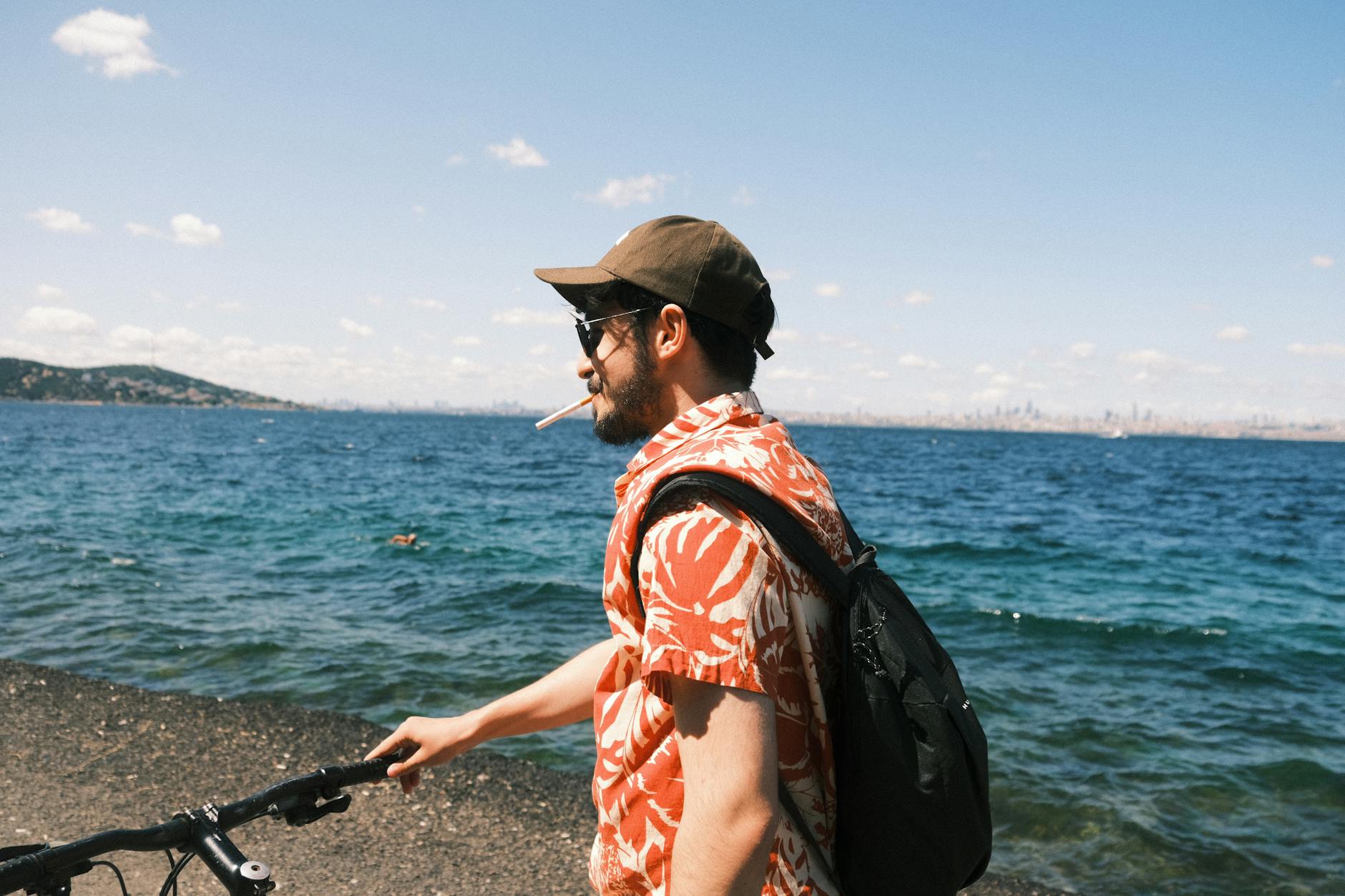
Last Sunday at 10:15 AM, I paid exactly 45 TL for an Isbike at the Caddebostan station and found the bike lane completely empty until I reached the Suadiye windsurfing club, where the headwind actually forced me to drop to the lowest gear. I highly recommend taking a break from the coast to see some architecture; the gardens of the Şehzade Mosque are a great inland destination if you decide to ferry back to the European side.
Navigating the Caddebostan Stretch
Once you hit Caddebostan, the vibe shifts. The parks here are the city’s communal living room. On weekends, it can get crowded, so watch out for kids chasing footballs or the occasional wandering golden retriever. If the wind picks up—which it often does in Suadiye—it can be a bit of a slog. My practical fix? If you feel a heavy headwind heading toward Bostancı, just take it slow and reward yourself with a ferry ride back from the Bostancı pier later; it’s much better than fighting nature.
- Moda Tea Gardens: The starting point for most, offering the best view of the Old City across the water.
- Fenerbahçe Island: A quiet loop off the main path where the gardens are meticulously kept and the traffic is non-existent.
- Caddebostan Beaches: The heart of the route where you can lock your bike and actually dip your toes in the water.
- Suadiye Coastline: Known for its wider paths and windier conditions, ideal for those who want a bit more resistance.
- Bostancı Pier: The final stop where you can catch a ferry back to the European side or grab a quick, fresh fish sandwich.
Berk’s Insider Tip: If you are riding the Asian side, stop at the Caddebostan park around sunset. The local ‘çekirdek’ (sunflower seed) culture is at its peak here, and it’s the best spot for people-watching while you rest your legs.
Rental prices on this side are quite reasonable. While the municipal ISBIKE stations are everywhere, private shops in Kadıköy often offer better-maintained mountain bikes for around 225 TL ($5 USD) for a two-hour block. It’s a small price to pay for the freedom of the coast. Just remember to bring your passport or a digital copy; most private shops will ask for it as a deposit.
Post-Ride Fuel: From Street Food to Fine Dining
Nothing tastes better than a salty, fatty snack when your legs are slightly shaky from a 15-kilometer sprint along the Marmara coast. You’ve burned the calories; now it’s time to disrespect the deficit. In my fifteen years here, I’ve learned that the “cycling high” peaks exactly when that first bite of street food hits your palate near the Kadıköy ferry terminal.
Street Food Glory in Kadıköy
If you finish your route on the Anatolian side, you are in the heartland of Turkish comfort food. My personal ritual involves dropping the Isbike at the Moda pier and walking straight into the fish market area. You’ll see queues for Kokoreç (spiced lamb intestines) and Midye Dolma (stuffed mussels). Don’t let the lines intimidate you; they move fast. A half-bread kokoreç will set you back about 225 TL (roughly 5 USD), and it is the ultimate recovery meal. If you’re riding late into the evening, you should definitely browse this list of the best spots for Late Night Kokoreç and Midye Dolma in Kadıköy and Beyoğlu with 2026 Prices.
Elevated Rewards: Sunset Views and Fine Dining
For those who prefer to trade their cycling shorts for something smarter after a ride along the European side, the Bosphorus line offers world-class density. Ending a sunset ride in Bebek or Arnavutköy puts you within walking distance of several establishments recognized by the Michelin Guide and Gault Millau. While places like Bebek Balıkçısı offer the classic white-tablecloth experience, the real reward is the view. Expect to pay upwards of 2,250 TL (45 EUR) per person for a proper multi-course seafood dinner with a view of the bridge. It’s pricey, but watching the city lights flicker across the water after a long day of pedaling is the definition of “discerning travel.”
The Coastal Beverage Ritual
Sometimes, you don’t want a full meal—just a cold drink and a patch of grass. In the Caddebostan stretch, you’ll see thousands of locals doing exactly this. Grab a cold craft beer or a salty ayran from a nearby market (expect to pay about 90 TL or 2 USD for a premium local brew) and claim your spot on the lawn. The vibe here is communal and relaxed, a stark contrast to the hectic energy of Sultanahmet. Just a heads up: the seaside grass gets packed on Saturday nights, so if you prefer quiet, aim for a weekday sunset around 7:30 PM.
Safety Protocols and Traffic Realities
Istanbul’s traffic is a choreographed chaos that you shouldn’t try to “conquer”—you negotiate with it. After 15 years of navigating these hills, I can tell you that the most important piece of equipment isn’t your brakes, it’s your eyes. Unlike the polite cycling culture of Copenhagen, an Istanbul bike rental puts you in a space where right-of-way is often determined by assertiveness rather than local ordinances.
The ‘Eye Contact’ Rule
Never assume a driver sees you just because you are in their line of sight. I’ve had many close calls near the busy Karaköy ferry terminal where a driver was more focused on finding a parking spot than noticing a cyclist. You must establish firm eye contact with drivers at every intersection. If they haven’t looked you in the eye, assume they are about to turn into your path. A quick nod or a hand gesture goes a long way here; it transforms you from an “obstacle” into a human being in the driver’s mind.
Asphalt vs. Treacherous Cobblestones
The riding surface changes faster than the weather in April. While navigating the Eminönü ferry terminal approach at 5:45 PM yesterday, I learned the hard way that the tram tracks near the Sirkeci station entrance are exactly the width of a standard rental tire; my front wheel got stuck, costing me a scraped knee and a 100 TL repair fee for the bent rim.
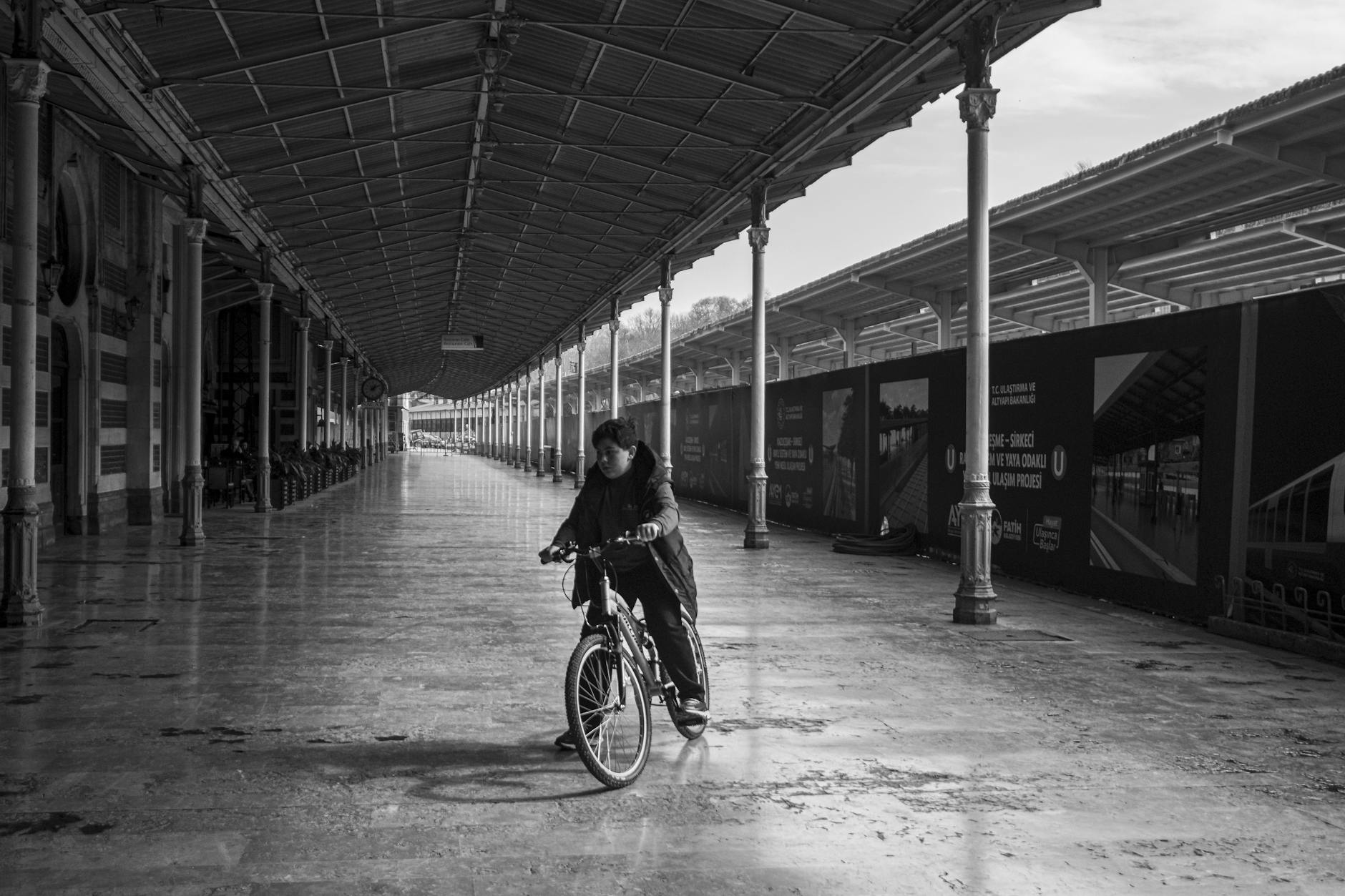
The Helmet Dilemma
If you use the public ISBIKE system, be aware: helmets are not provided. While locals often ride without them, I strongly advise against it given the unpredictable nature of our pedestrian zones and delivery scooters. Private rental shops near the Kadıköy ferry docks usually rent helmets for an extra 150 TL (3 EUR), but the quality varies. For the discerning traveler, I recommend bringing your own foldable helmet. It fits in a backpack and provides peace of mind when a delivery moped inevitably zips past you on a narrow sidewalk.
Frequently Asked Questions
Can I take a rental bike on Istanbul’s public ferries?
Yes, and you absolutely should. Taking your bike on a Şehir Hatları ferry is the best way to skip the bridge traffic. Most ferries allow bicycles for free or a nominal fee of around 25 TL (0.50 EUR). Just avoid the peak rush hour between 5:30 PM and 7:00 PM when the gangways are packed with commuters, making it difficult to maneuver a heavy frame.
Are there any areas where cycling is strictly prohibited?
While there are few formal “no cycling” signs, you should stay off the main arterial roads like Tarlabaşı Boulevard or the D-100 highway. These are high-speed zones with no shoulder. Stick to the coastal “Sahil Yolu” paths. Also, avoid riding through the middle of the Grand Bazaar or the narrowest parts of Istiklal Street during the afternoon; the crowds make it impossible and frankly, quite stressful.
What should I do if my rental bike breaks down far from a station?
If you are using an ISBIKE and it malfunctions, you can lock it at the nearest station and report the issue via the app. However, if you are stuck between stations, your best bet is to hail a “Yellow Taxi” with a large trunk. I once paid a driver 350 TL (about 7 EUR) to haul a bike with a snapped chain from Beşiktaş back to the rental hub. Most drivers are happy to help for a small extra tip.
Final Thoughts from the Saddle
There’s a specific shift that happens in your head somewhere between the Arnavutköy pier and the fortress at Rumeli Hisarı. Usually, Istanbul feels like an impenetrable wall of concrete and history, a 16-million-person enigma that’s impossible to grasp. But from the saddle of a bike, the scale shrinks. You stop seeing a chaotic metropolis and start seeing the city for what it actually is: a string of ancient, stubborn villages tied together by the sea.
Last Tuesday, I took an ISBIKE from the Karaköy station around 6:30 PM. The rental cost me about 75 TL for the hour—just 1.50 EUR, less than a mediocre espresso back in London or Berlin—and as I pedaled north, the heavy humidity of the city center peeled away. I watched a group of retirees in Bebek arguing over a backgammon board, then five minutes later, I was passing the quiet, wooden Yalı mansions of Yeniköy. On foot, that transition is a hike; in a taxi, it’s a blur of brake lights. On two wheels, it’s a conversation.
When you finally pull over, don’t just walk away. Make sure the electronic lock on the rear wheel clicks into place properly and check your app to ensure the session has ended; I once lost 400 TL (8 EUR) because I was too distracted by the view to notice the dock hadn’t registered my return. Grab a tea from a nearby vendor, find a stone step by the water, and just stay still for twenty minutes. There is no better sight in this city than the moment the sun dips behind the hills and the big Şehir Hatları ferries suddenly flicker their deck lights on. As those golden glows start moving across the dark blue of the Bosphorus, you’ll realize you aren’t just visiting Istanbul—you’re finally moving at its real pace.