Standing before The Tortoise Trainer, you realize the irony: the tortoises in the painting move significantly faster than the crowd of tourists currently blocking your view of Osman Hamdi Bey’s masterpiece. It’s a quintessential Beyoğlu moment—a collision of 19th-century intellectualism and the modern, selfie-stick-wielding chaos of Meşrutiyet Caddesi. Having navigated this city for fifteen years, I’ve come to view the Pera Museum as a bit of a psychological refuge, though one that requires a tactical approach if you want to actually see the brushstrokes instead of the back of someone’s head.
Last Wednesday, I ducked inside around 11:15 AM to escape a sudden, aggressive Istanbul drizzle. There was no queue to speak of, just the familiar, hushed dignity of the lobby. I tapped my card for the 800 TL entry fee—which, at 24 EUR (given the current 33 TL rate), is a steal for the caliber of the collection. The mistake most people make is rushing straight to the famous man with the flute and his slow-moving reptiles. If you find the second floor swamped by a tour group, don’t stand there simmering in frustration. Instead, take the vintage-style elevator up to the Kütahya Tiles floor. It’s usually deserted, smells faintly of history, and provides the perfect palette cleanser before you head back down to face the Orientalists once the crowd has migrated toward the gift shop.
The Ghost of the Bristol Hotel
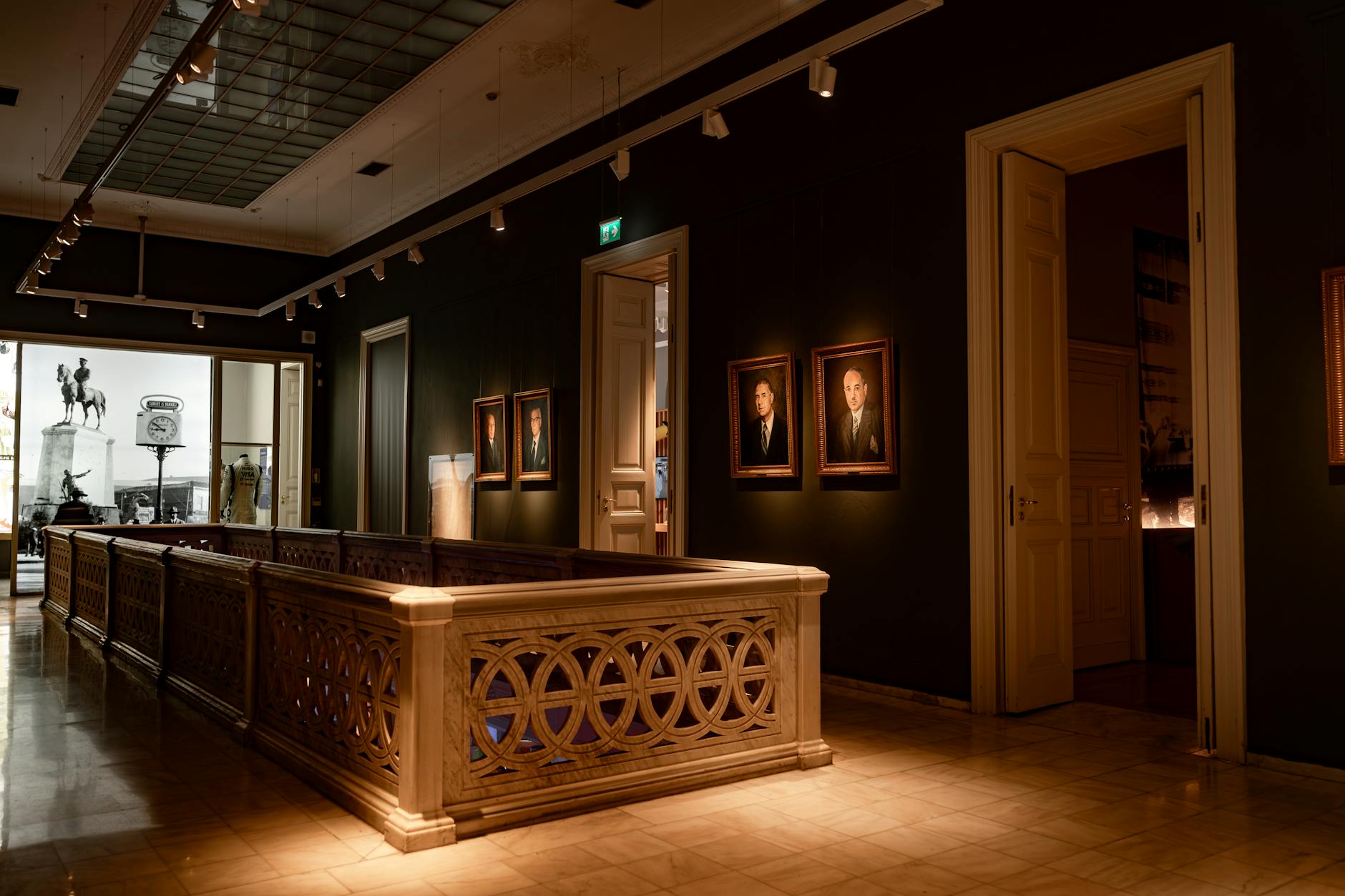
Most visitors marching down Meşrutiyet Avenue are so fixated on finding the next trendy rooftop bar that they breeze right past one of the most sophisticated architectural “fakes” in the city. I call it a fake not out of spite, but out of a deep appreciation for the 2005 renovation that essentially hollowed out the 1893 Bristol Hotel like a seasoned chef prepping a pepper for stuffing. Architect Achille Manoussos gave us that gorgeous Neoclassical facade, but once you step through the doors, the 19th-century dust evaporates into a sleek, white-walled sanctuary that feels more like a London gallery than an Ottoman-era relic.
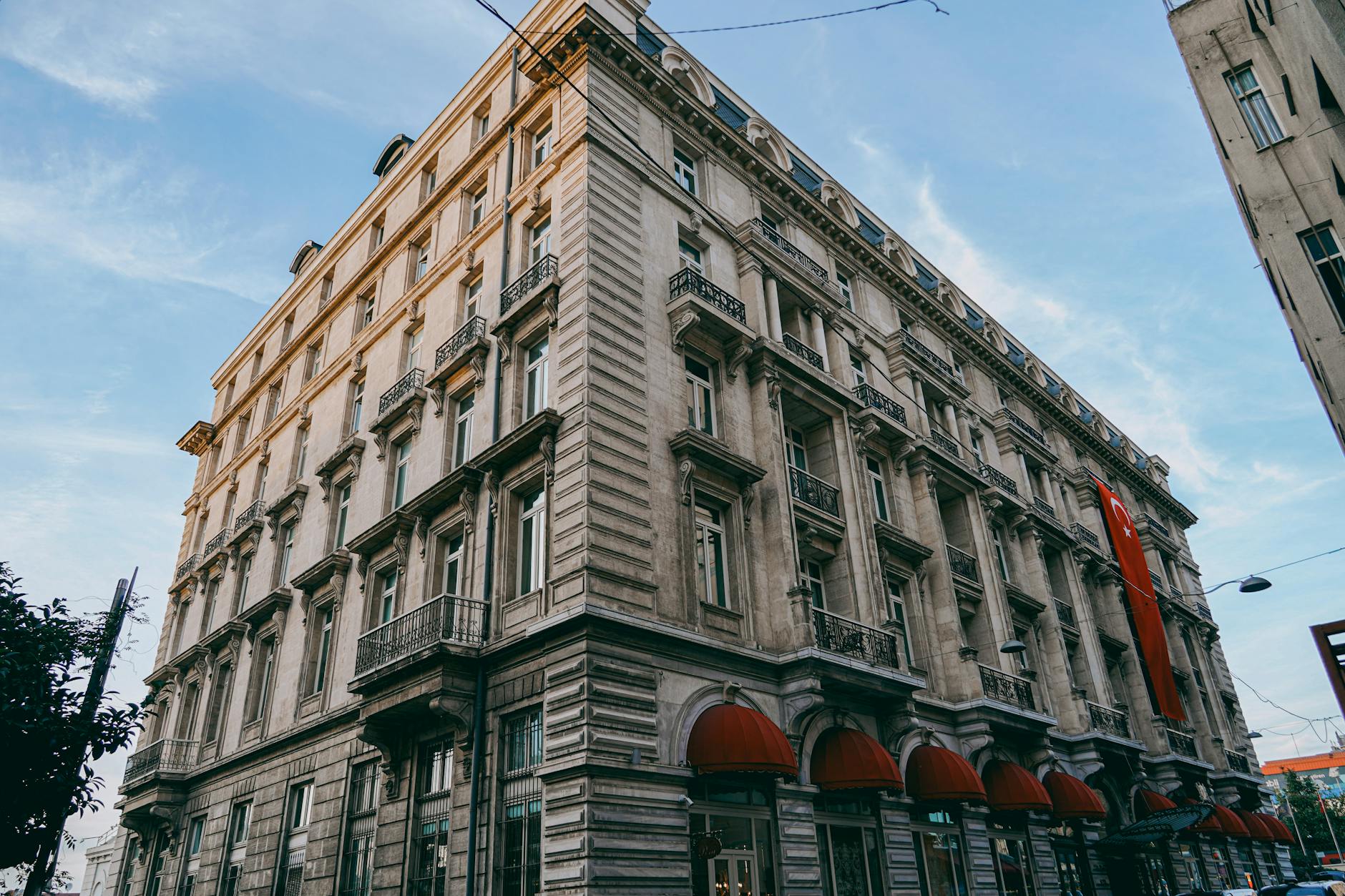
I remember my first visit after the Suna and İnan Kıraç Foundation finished the overhaul; I was looking for the heavy, mahogany-scented lobby of the old hotel I’d seen in archives, only to find myself in a minimalist foyer that felt like a portal to the future. Getting here is a workout if you’re coming from the historical peninsula, where you might have spent the morning admiring the Architecture and Gardens of the Şehzade Mosque with Visiting Tips and 2026 Entry Prices. The contrast between the 1893 facade and the modern interior is jarring at first, but it works because it forces you to leave the chaos of Beyoglu sightseeing at the curb. It’s a quiet, climate-controlled transition from the grit of modern Istanbul to the curated beauty of the Pera District’s past.
Staring Down the Tortoise Trainer
You don’t just look at The Tortoise Trainer; you wait for it to acknowledge you. Most people rush to the second floor of the Pera Museum, stand in front of this canvas for thirty seconds, snap a blurry photo, and leave. They’re missing the point entirely. This isn’t a painting about reptiles; it’s a sardonic self-portrait of a man who was clearly fed up with his own colleagues.
When I first moved to Istanbul 15 years ago, I didn’t quite grasp the obsession. Then I spent a quiet Tuesday morning here—arriving right at 10:15 AM to beat the school groups—and realized that the trainer’s slumped shoulders and weary gaze are the most “Istanbul” thing in the building. I spent exactly 14 minutes in front of the canvas without a single person blocking my view, a rarity that cost me just the 800 TL entrance fee and a short walk from Şişhane. Osman Hamdi Bey was the director of the Imperial Museum and the Academy of Fine Arts; he spent his life trying to drag the late Ottoman Empire into the modern art world while the bureaucracy moved at a snail’s—or tortoise’s—pace.
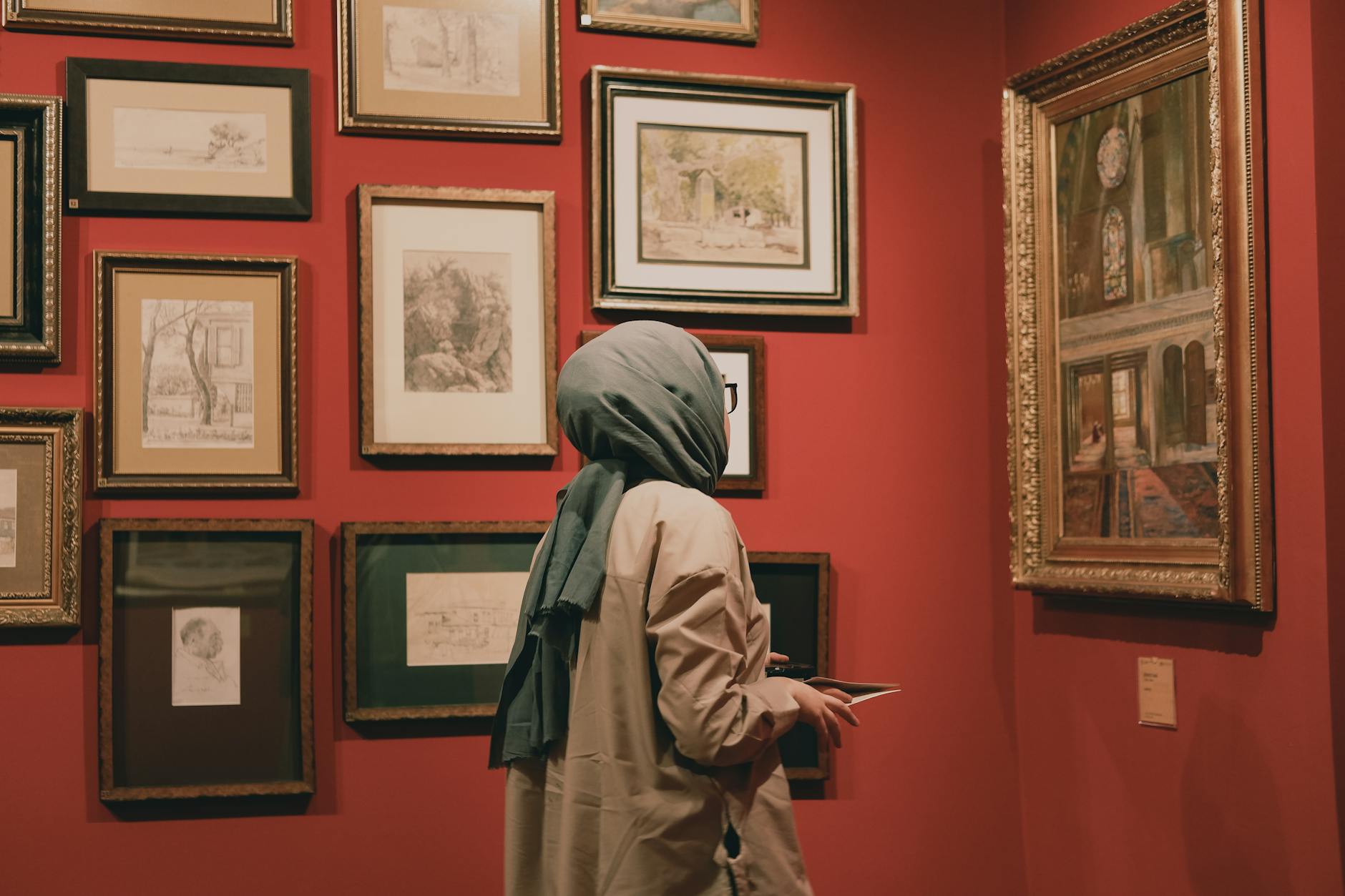
The technique is pure Orientalist mastery, but with a sharp local twist. Unlike the French or British painters who visited the city to paint “exotic” fantasies of harems and hookahs, Hamdi Bey lived the reality. In 2004, this piece set a staggering record when it was auctioned for roughly $3.5 million. It was a cultural earthquake that firmly placed Turkish art on the global map. Today, standing in front of it, the detail is still jarring. The light hitting the cracked turquoise tiles (modeled after the Green Mosque in Bursa) is so precise you can almost smell the damp, ancient stone.
Why the Trainer Looks So Tired
It’s a mood we locals call sabır (patience), but with a heavy dose of exhaustion. He’s holding a ney (reed flute) behind his back, a tool traditionally used to “train” the tortoises through music. The joke, of course, is that tortoises are deaf. It’s a brilliant, quiet critique of the futility of forced reform. If you’ve ever tried to get a straight answer at a government office in Cagaloğlu, you’ll recognize that “I’ve been waiting for three centuries” expression on his face.
To truly “see” the masterpiece, look for these specific elements:
- The Trainer’s Face: It’s a self-portrait of Hamdi Bey at age 64, captured with a realism that refuses to flatter his own exhaustion.
- The Ney Flute: Positioned behind his back, it symbolizes the “soft power” he’s trying to use on an audience that isn’t listening.
- The Calligraphy: Look at the tile work above the window; it features religious inscriptions that contrast with the “secular” frustration of the man below.
- The Tortoises’ Path: Notice how they are clustered and ignoring the greens on the floor; they represent the stubbornness of a society resistant to change.
- The Dervish Cap: His headwear suggests he is a man of culture and spirituality, making his struggle with the “slow” animals even more poignant.
Beyond the Famous Reptiles: The Orientalist Collection
Most visitors sprint directly to the “The Tortoise Trainer,” snap a blurry selfie, and head straight for the exit. Honestly, that’s a rookie mistake. While Osman Hamdi Bey is the star, the rest of the second floor is where you truly see the “East meets West” tension that defines Istanbul. The collection is a masterclass in the Western gaze, ranging from “I’ve never been there but I’ll paint it anyway” fantasies to genuine, lived-in reportage.
Walking through the European painters’ section, you’ll notice a lot of reclining figures and soft lighting. Let’s be real: most of these 18th and 19th-century French and British painters were essentially the Instagram influencers of their era. If you want to see a different, more somber side of Istanbul’s history, you might prefer the atmosphere of A Gothic Secret in the Heart of Karaköy: Why I Love the Unique Arap Mosque.
The Ambassadors and Painters
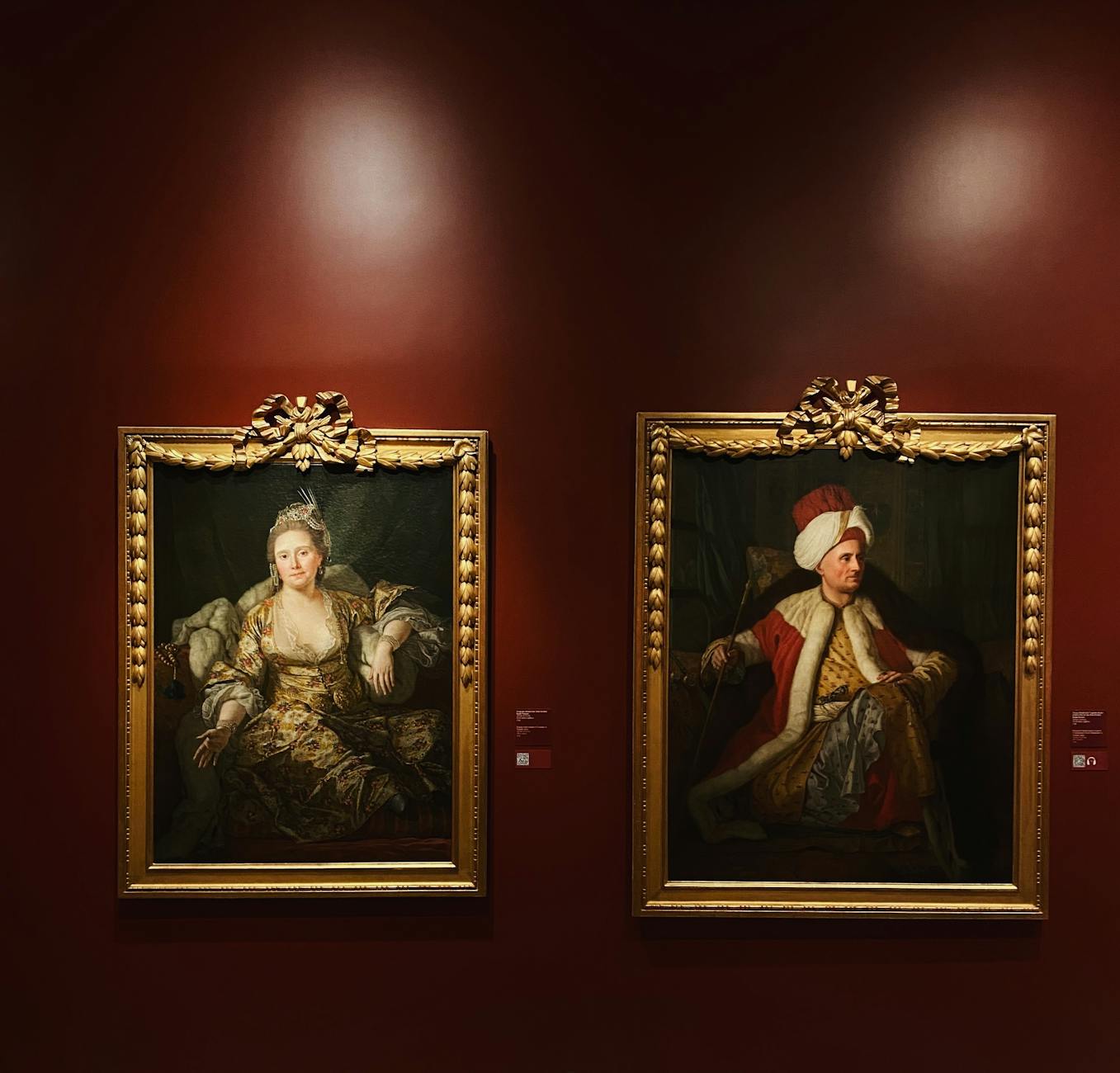
This section is where the diplomacy happens. In the 1700s, if you were a European ambassador, you didn’t just bring a gift; you brought a painter. I was here last Tuesday around 11:30 AM—the perfect time to avoid the school groups—and I spent a solid ten minutes marveling at the detail in the ambassadors’ portraits. The Pera Museum does a fantastic job with its lighting, so you can actually see the individual silk threads in the heavy robes. It’s a bit stiff and formal, but it captures a time when Istanbul was the absolute center of the diplomatic world.
The Hidden Gem: Jean-Baptiste Vanmour
If there’s one name you should remember, it’s Jean-Baptiste Vanmour. Unlike the tourists who stayed for a week and went home to paint fantasies, Vanmour lived in Istanbul for decades. He is the real deal. His series on Sultan portraits and official receptions is almost like a 300-year-old documentary. He captured the mundane details—the way a guard stood, the specific tilt of a turban—that others missed. While the 800 TL entry price might seem like a jump from previous years, the sheer volume of Vanmour’s work on this floor makes it worth the spend.
2026 Entrance Fees and Timing Your Visit
Paying 800 TL for a museum ticket might make some old-school locals wince, but for the caliber of the Pera collection, it’s a fair trade to avoid the chaotic, humid queues of the Sultanahmet monuments. While inflation has certainly caught up with the art world, 800 TL (roughly 24 EUR or 26 USD) is a reasonable price for a facility that actually understands the concept of air conditioning and curated lighting.
I popped in last Wednesday around 11:00 AM, thinking I’d have the “Tortoise Trainer” all to myself. Instead, I walked straight into a “field trip ambush”—about forty primary schoolers in matching sweaters. If you see a yellow school bus parked on Meşrutiyet Street, do yourself a favor: grab a quick Turkish coffee at a nearby side-street stand and wait forty-five minutes.
Berk’s Insider Tip: Visit on a Friday between 6:00 PM and 10:00 PM. Not only is it ‘Pera Friday’ with free admission, but the museum takes on a much cooler, lounge-like vibe with younger locals.
| Visitor Type | Entry Fee (TL) | Cost in EUR / USD (Approx.) |
|---|---|---|
| Standard Adult | 800 TL | €24 / $26 |
| Discounted (Students/60+) | 400 TL | €12 / $13 |
| Groups (10+ people) | 600 TL | €18 / $19.50 |
| Pera Friday (6 PM - 10 PM) | Free | 0.00 |
Coffee, Tiles, and Weights: The Upper Floors
Most visitors skip the collections on the floors above, but that’s where the heart of Ottoman daily life resides. The Kütahya Tiles and Ceramics collection is a masterclass in Ottoman “pop culture.” While the İznik tiles at the Blue Mosque were the high-fashion of the royal court, Kütahya was for the people. I spent twenty minutes last Tuesday just staring at an 18th-century coffee cup holder—it’s smaller than you’d expect, but the intricate floral patterns make our modern ceramic mugs look like lazy industrial waste.
If you’ve already spent time exploring Traditional Tea Gardens and Turkish Coffee Houses with Bosphorus Views and Local Prices across the city, seeing these 18th and 19th-century pieces provides the historical context for that ritual. You’ll see how central coffee was to social life long before Starbucks arrived on Istiklal Street.
The Art of the Deal (Literally)
Moving into the Anatolian Weights and Measures section feels like stepping into an ancient counting house. It’s surprisingly addictive to look at the transition from Roman scales to Ottoman “okka” weights. It makes you realize that for thousands of years, the biggest drama in Istanbul wasn’t politics—it was making sure the guy selling you spice wasn’t cheating you by a few grams.
Berk’s Insider Tip: Don’t skip the Anatolian Weights and Measures on the first floor. It sounds dry, but seeing how people weighed everything from medicine to gold 2,000 years ago is weirdly grounding.
How to Get There Without Getting Lost in Pera
Bringing a car into the narrow, cobblestoned veins of Tepebaşı is the quickest way to ruin an otherwise perfect afternoon. I’ve lived here for 15 years, and I still wouldn’t dream of driving to Meşrutiyet Street; the “parking spots” are mostly mythical, and the traffic moves with the urgency of a tectonic plate.
I remember a Tuesday last October around 4:00 PM when the traffic was so stagnant a street cat actually took a nap on the hood of a stationary taxi near Tünel. I walked from the Şişhane metro to the museum entrance in six minutes, while that taxi moved exactly three meters. If the museum’s art works up an appetite, you’re just a stone’s throw from some of the city’s best fire-roasted meats. You should definitely consult this Istanbul Ocakbaşı Guide: Authentic Grill Culture before you head out, as a post-museum kebab is practically a local requirement.
How to reach Pera Museum from the Metro
- Board the M2 Green Line metro heading toward either Yenikapı or Hacıosman.
- Exit the train at the Şişhane station.
- Follow the underground signs specifically for the “Meşrutiyet” exit to avoid the İstiklal hills.
- Walk straight for about five minutes, passing the historic Pera Palace Hotel on your right.
- Locate the grand 19th-century facade of the Pera Museum on the left side of Meşrutiyet Street.
Stepping out of the Pera Museum back into the humid chaos of Meşrutiyet Caddesi always feels like a bit of a slap in the face. One minute you’re staring at the meditative stillness of The Tortoise Trainer, and the next, you’re dodging a courier on a moped. Walk five minutes toward the Şişhane metro and find your way to a nearby terrace. Last Tuesday, I snagged a corner table at a local spot right at 6:30 PM. As the sun began to dip behind the minarets of the Old City, the Golden Horn turned a bruised, metallic shade of purple. It’s in those quiet, elevated moments—with the call to prayer echoing across the rooftops—that Istanbul stops being a checklist of sights and starts being the masterpiece Osman Hamdi Bey was trying to capture.