
The air in Aksaray doesn’t smell like the salty Bosphorus breeze; it smells like charred lamb, fermented şalgam, and the sharp, citrusy sting of sumac. For 15 years, I’ve navigated these backstreets where the dialect shifts from Istanbul Turkish to the melodic tones of the Southeast, and the food follows suit—unapologetically bold and heavy on the spice. This isn’t the manicured Istanbul of the travel brochures; it’s a dense, gritty neighborhood where the best meals are usually found behind a thick curtain of grill smoke.
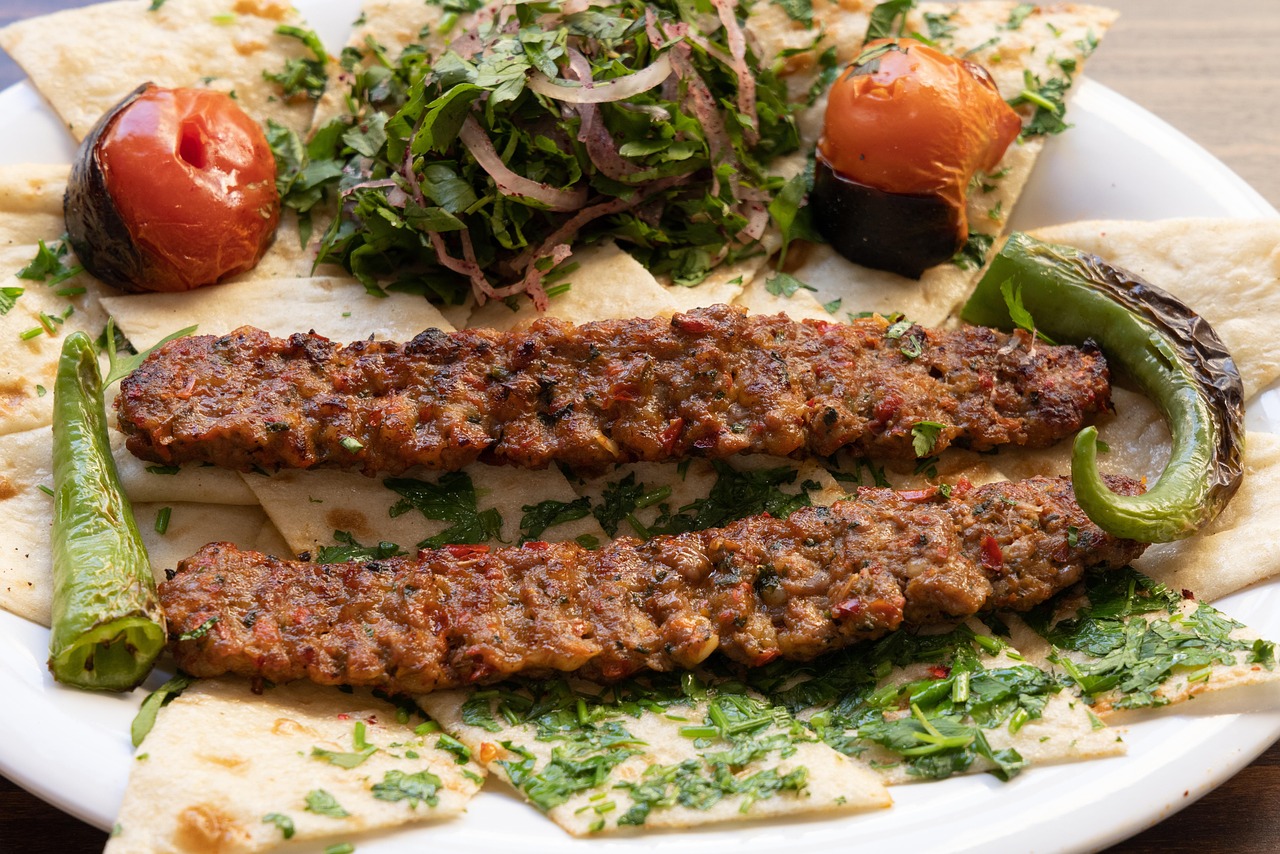
Last Tuesday, around 2:00 PM, I ducked into a narrow alleyway near the Yusufpaşa tram stop to escape the afternoon heat. I found myself at a familiar ocakbaşı where the queue was five people deep—mostly local shopkeepers and tradesmen who don’t have time for tourist traps. I waited about ten minutes for a stool to open up, watching the master drub a massive blade against a wooden block to hand-mince the meat. I paid 450 TL (exactly 10 USD) for a plate of Adana kebab served on charred lavaş with a side of fire-roasted peppers. The service was characteristically brisk—bordering on blunt—but that’s the trade-off for speed and quality in this part of town. If you expect white tablecloths and a quiet ambiance, you’ll be disappointed, but if you want the honest, peppery soul of Mardin or Hatay, you’re in the right place. Most visitors stick to the main avenues, but the real magic happens three blocks deep into Fatih, where the prices drop and the authenticity of the recipes remains untouched by global trends.
The Metro Exit Strategy for Hungry Travelers
Aksaray station is a labyrinth designed to confuse the hungry, so ignore the main signs and head straight for the Yusufpaşa exit. If you follow the generic “Aksaray” arrows, you will likely end up surfacing in a sea of wholesale textile shops or, worse, trapped in the subterranean underpasses that feel more like a fever dream than a transit hub.
I learned this the hard way back in 2012. Fresh to the neighborhood and hunting for a specific Perde Pilavı, I spent twenty minutes circling the damp, fluorescent-lit tunnels near the Valide Sultan Mosque. I could literally smell the roasted lamb through the vents, but I couldn’t find the staircase that led to the sidewalk. Today, the area is even busier. To save your legs and your sanity, remember that Yusufpaşa is your tactical gateway to the “Gourmet Strip” of Horhor Street.
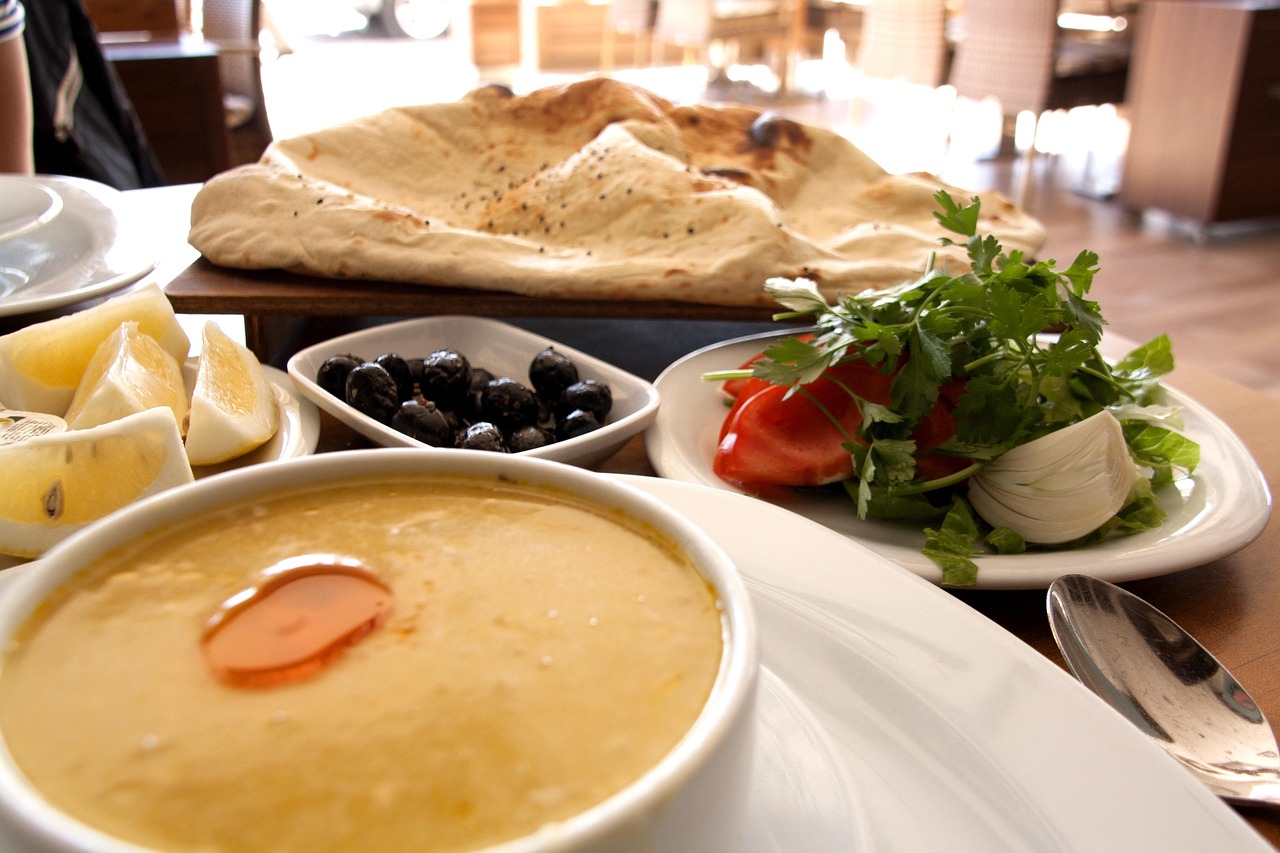
M1 vs. T1: Choosing Your Path
If you are coming from the Atatürk Olympic Stadium direction or the outer suburbs, the M1 Metro line is your workhorse. However, if you are already staying in Sultanahmet or Sirkeci, do not bother with the metro. The T1 Tram is far superior; it drops you right at the mouth of the food district. In 2026, a single trip on the Istanbulkart costs roughly 40 TL (about $0.88 USD or 0.80 EUR). While the crowds during rush hour can be intense, the efficiency is hard to beat. If the tram is packed to the doors, a short walk from the Yenikapı hub is a viable alternative, especially if you are navigating the Marmaray and Metrobus with 2026 fares and transfer tips to reach this side of the city.
The 5-Step Shortcut to Southeastern Heaven
To reach the best kebabs and stews without a 20-minute detour, follow this exact sequence:
- Disembark from the M1 Metro at Aksaray Station and follow the “Yusufpaşa/T1 Tram” exit signs specifically.
- Validate your exit at the turnstiles and keep to the right-hand corridor to avoid the central underpass crowd.
- Ascend the final flight of stairs to reach the street level next to the T1 Tram tracks.
- Cross Turgut Özal Millet Street carefully, using the designated pedestrian lights near the tram stop.
- Walk three minutes north toward the Horhor antique market; the smell of charcoal will guide you the rest of the way.
Hatay’s Fire-Kissed Paper Kebabs on Akdeniz Street
If you want the true soul of Antakya without the 12-hour bus ride, Akdeniz Street in Fatih is the only place that matters. I’ve spent a decade wandering these backstreets, and the smell of charred lamb and parsley coming off the wood-fired stone ovens here is the closest thing to a sensory teleportation device I’ve found. You aren’t coming here for white tablecloths; you’re coming for the Kağıt Kebabı, a masterpiece of simplicity where hand-minced meat is seasoned with garlic and flat-leaf parsley, then pressed impossibly thin onto a sheet of greaseproof paper.
The Contrast of Paper and Tray
The ritual at these Hatay-style “esnaf” (artisan) spots is fast and focused. Last Tuesday, I stopped by around 1:30 PM—just after the main lunch rush—and watched the usta (master) slap a portion of meat onto the paper with a rhythmic thud. It goes into the oven for just a few minutes, emerging with those characteristic blackened edges that provide a smoky crunch against the tender interior.
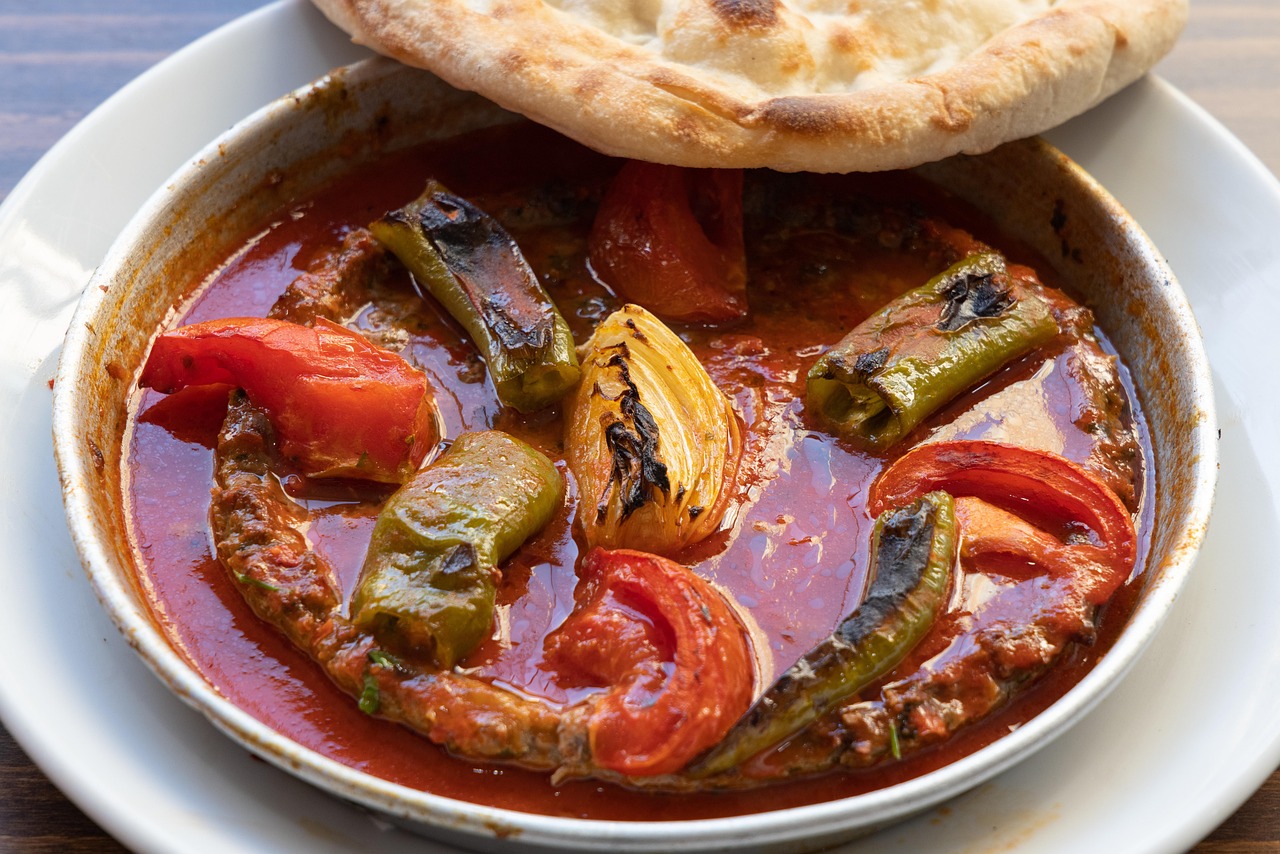
If you are dining with a friend, I highly recommend opting for the Tepsi Kebabı. While the ingredients are similar to the paper version, this is baked in a circular metal tray, allowing the meat to braise slightly in its own juices and whatever tomato or pepper garnish the chef adds. In 2026, a generous portion of Tepsi Kebabı costs 850 TL ($18.80 / €17), which is exceptional value for the quality of the lamb used in this neighborhood. It’s rich, heavy, and demands to be mopped up with fresh pide bread.
Why the Hummus is Non-Negotiable
You might think you know hummus, but Hatay-style hummus is a different beast entirely. Forget the cold, stiff paste from supermarket tubs; here, it is served lukewarm, whipped to a silky consistency that almost flows. It arrives with a deep pool of local, golden-green olive oil in the center, often topped with a dusting of cumin and sometimes a few hot chickpeas. It’s the perfect cooling counterpoint to the spice of the kebab.
Five Must-Order Items for the Hatay Experience:
- Kağıt Kebabı: The thin, paper-fired classic that defines the street.
- Warm Hummus with Olive Oil: Because the temperature changes the flavor profile completely.
- Tepsi Kebabı: Best shared, as it’s much juicier and more filling than the paper version.
- Mütebbel: A smoky eggplant dip mixed with tahini that adds a creamy, earthy layer to the meal.
- Kunefe: Most shops here specialize in this cheese-filled pastry; ensure they use real Hatay cheese for that signature stretch.
One tip: These spots can get cramped and loud during peak hours (12:00–14:00). If you prefer a bit of breathing room, aim for a late lunch around 3:00 PM. The ovens stay hot, and you’ll likely get a chance to chat with the staff about where they source their spices from Antakya.
Mardin: Beyond the Stone Houses and into the Pot
If you haven’t sat before a steaming platter of Kaburga Dolması in the backstreets of Aksaray, you haven’t truly understood the level of patience required for authentic Southeastern Turkish cooking. Mardin cuisine is defined by its Syrian and Mesopotamian influences, emphasizing slow-cooked meats and intricate spice blends that you won’t find in your average kebab shop near Sultanahmet.
The Art of the Stuffed Rib
The undisputed heavyweight champion of this neighborhood is Mardin Sofrası. Last Tuesday, I stopped by around 2:15 PM—just after the chaotic lunch rush—to watch the kitchen staff carve into a fresh Kaburga Dolması (stuffed lamb ribs). This dish is an exercise in endurance; it takes nearly six hours of slow-steaming for the meat to reach a state where it literally falls away from the bone at the mere suggestion of a fork. Inside, you’ll find rice that has absorbed every drop of lamb fat, tossed with toasted almonds, currants, and a heavy hand of allspice. It’s a rich, communal experience that cost me 1,400 TL ($31 / €28) for a platter meant for sharing. If the meat isn’t sliding off the bone, don’t be afraid to send it back, though at this specific spot, that’s rarely an issue.
Sembusek and the Purple Palate Cleanser
For a quicker bite that still packs the regional punch, you need to order Sembusek. Often described as a Mardin-style empanada, it’s a closed, half-moon dough pocket filled with spicy minced meat, onions, and peppers. In early 2026, these are priced at 150 TL ($3.30 / €3) per piece. They are perfect for those who find standard lahmacun a bit too messy to eat on the go.
To survive the sheer richness of this meal, skip the standard soft drinks. The secret is Reyhan Şerbeti, a vibrant purple basil drink. It’s floral, slightly sweet, and surprisingly acidic, which is exactly what you need to cut through the heavy lamb fat of the Kaburga. A cold glass usually runs about 80 TL ($1.75 / €1.60).
Berk’s Insider Tip: Most restaurants in Aksaray do not serve alcohol due to the conservative nature of the neighborhood; look for ‘Ayran’ or ‘Şalgam’ instead.
Mardin Flavor Guide & 2026 Pricing
| Dish | Best For… | Approx. Price (TL) |
|---|---|---|
| Kaburga Dolması | Large groups & slow dining | 1,400 TL (Platter) |
| Sembusek | A quick, spicy meat snack | 150 TL (Per piece) |
| Reyhan Şerbeti | Refreshing the palate | 80 TL (Glass) |
| İçli Köfte (Boiled) | A delicate, silky appetizer | 120 TL (Per piece) |
While the neighborhood can feel a bit gritty compared to the polished streets of Nişantaşı, the trade-off is total culinary authenticity. If you find the crowds in Aksaray overwhelming, aim for a late lunch between 3:00 PM and 5:00 PM when the local office workers have cleared out.
A 2026 Menu Guide: What You’ll Actually Pay
Budgeting for an afternoon in Aksaray is no longer the pocket-change affair it was five years ago, but it remains the most honest price-to-quality ratio you will find in Istanbul. While the blue-chip restaurants in Sultanahmet might charge you for the view, here you are paying for the spice, the technique, and the lamb. Expect to see prices that reflect the 2026 reality: a standard kebab plate now hovers around 450 TL to 550 TL.
Just last Tuesday, I ducked into a small grill house near the Muratpaşa tram stop around 2:30 PM to avoid the lunch rush. Even then, the place was buzzing. My bill for a single Adana Kebab and a side of salad came to 480 TL. Ten minutes later, a 10% service charge (servis ücreti) was added, bringing the total to 528 TL. This 10% fee is now standard in Aksaray’s sit-down spots. While it might feel like a surprise if you’re used to the old “tip what you want” system, it is now part of the local dining landscape.
Breaking Down the 2026 Price List
To help you navigate the menus without constant currency conversion, here is what a typical meal in the backstreets looks like today.
| Dish / Item | Price in Turkish Lira (TL) | Price in USD / EUR |
|---|---|---|
| Adana or Urfa Kebab | 450 TL | $10.00 / €9.00 |
| Lahmacun (Single) | 135 TL | $3.00 / €2.70 |
| Künefe (Dessert) | 225 TL | $5.00 / €4.50 |
| Open Ayran (Large) | 60 TL | $1.30 / €1.20 |
One thing I refuse to compromise on is the drink. You will see packaged ayran in every grocery store, but in these specialized Southeastern restaurants, you must order the “Open Ayran” (Açık Ayran). It usually costs about 60 TL ($1.30), and it is worth every kuruş. It arrives in a copper bowl or a chilled glass with a thick, salty froth on top that cuts right through the fat of a charred lamb kebab. It’s the ultimate palate cleanser.
After a heavy meal of kebabs and buttery künefe, you might find yourself wandering toward the local markets to buy sumac or dried eggplant to take home. If you want a change of scenery and need to walk off the calories, the Fener & Balat Walking Tour: Istanbul offers a nearby historical escape with a very different aesthetic.
Dining Etiquette and Local Quirks in Fatih
Never turn down the final glass of tea if you want to leave a restaurant as a guest rather than just another transaction. In the backstreets of Fatih, hospitality isn’t a marketing slogan; it’s a social contract. When that small, steaming glass of çay arrives unbidden after your kebabs, it’s almost certainly complimentary. Refusing it too quickly can be seen as a sign that you’re in a rush to escape the host’s company. I remember sitting in a tiny hole-in-the-wall near the Valens Aqueduct last Wednesday; I tried to pay for my third glass, and the owner laughed, telling me my money was “no good for water and leaves.” Accept the tea, linger for five minutes, and watch the neighborhood pulse go by.
Spotting the Wood-Fired Soul
You can tell a generic tourist trap from a multi-generational institution by looking for one specific thing: a pile of oak wood near a soot-stained stone arch. In Aksaray dining, the wood-fired oven (taş fırın) is the heart of the operation. If you see a modern electric oven or, worse, a microwave, keep walking. Real Southeastern flavor requires that specific dry heat to blister the lahmacun and puff up the tırnaklı pide. Last Wednesday at 6:45 PM, I sat on a wobbly stool at a bakery near the Fatih mosque where the tırnaklı pide cost exactly 12 TL. The queue was twelve people long, mostly fathers picking up bread for dinner, all waiting for that specific smoky crust that no modern kitchen can replicate.
Navigating the ‘Acı’ Threshold
When a waiter in Fatih asks if you want your food acı (spicy), they aren’t talking about the mild, deseeded peppers you find in Western Europe. This is the raw, uncompromising heat of Şanlıurfa and Kahramanmaraş. I’ve seen seasoned travelers go red in the face after a single bite of “medium” Adana kebab. If you aren’t a fanatic for heat, ask for it “az acılı” (a little spicy) or keep a bowl of ayran (salty yogurt drink) within arm’s reach. If you’re heading towards the Beyazıt Book Market and University Backstreets Route after your meal, grab a bottle of water for the walk, as the spice tends to have a delayed “kick” that hits you three blocks later.
Dining in Fatih FAQ
Should I tip in the small backstreet restaurants?
While tipping isn’t mandatory in Turkey, it is highly appreciated in Fatih’s family-run spots. For a standard meal, rounding up the bill or leaving about 10% in cash is a classy move. If your bill is 450 TL (about 9 EUR or 10 USD), leaving a 50 TL note on the table is the perfect way to say thank you. Just remember that many of these smaller spots don’t have a “tip” line on the credit card machine.
Is the neighborhood safe for dining late at night?
Aksaray and Fatih are generally very busy until late, but the vibe changes after 10 PM. The main streets are perfectly fine, filled with locals getting a late-night soup fix. However, some of the darker, narrower alleys can feel a bit isolating if you aren’t familiar with the layout. Stick to the well-lit areas where you can see active shopfronts and other families dining.
Can I find vegetarian options in these meat-heavy districts?
It’s a challenge, but not impossible. While the stars of the show are lamb and beef, you should look for “Zeytinyağlı” (olive oil dishes) or “Meze” sections. A thick, smoky Babagannuş (eggplant dip) or a fresh Gavurdağı salad with walnuts and pomegranate molasses can be a meal in itself. Just be aware that some “vegetable” soups are made with meat stock, so it’s always worth asking “Et suyu var mı?” (Is there meat stock?).
The Golden Crunch of Künefe and Zahter Tea
Skipping dessert in the backstreets of Aksaray is a tactical error, but ordering the first pre-made tray you see is an even bigger one. Real Antakya sweets are defined by the contrast between the blistering heat of the oven and the cool richness of the toppings. You aren’t looking for a soggy, sugar-drenched cake; you are looking for a masterpiece of shredded pastry (kadayıf) fried in clarified butter until it reaches a deep, mahogany gold, encasing a core of unsalted, stretchy Hatay cheese.
I’ve spent fifteen years hunting the perfect “cheese pull” in this city, and my rule is simple: if they don’t cook it to order in an individual copper plate, walk away. I once sat in a tiny shop tucked behind the Fatih horse market for twenty minutes just waiting for my tray to hit the flame. The master ignored my hungry looks, insisting that rushing the butter crystallization would ruin the crunch. He was right. That patience is what separates a tourist trap from a culinary landmark.
The 2026 Price of Perfection
Quality has its price in 2026, especially with the rising cost of high-fat buffalo milk. For a single portion of premium Künefe topped with a thick slab of kaymak (clotted cream) and a dusting of bright green Antep pistachios, expect to pay 350 TL ($7.70 / €7). While you can find cheaper versions for 200 TL in generic kiosks, they often use inferior vegetable fats and synthetic syrups that leave a cloying, heavy aftertaste. Spending the extra 150 TL ensures you get real butter and cheese that actually stretches.
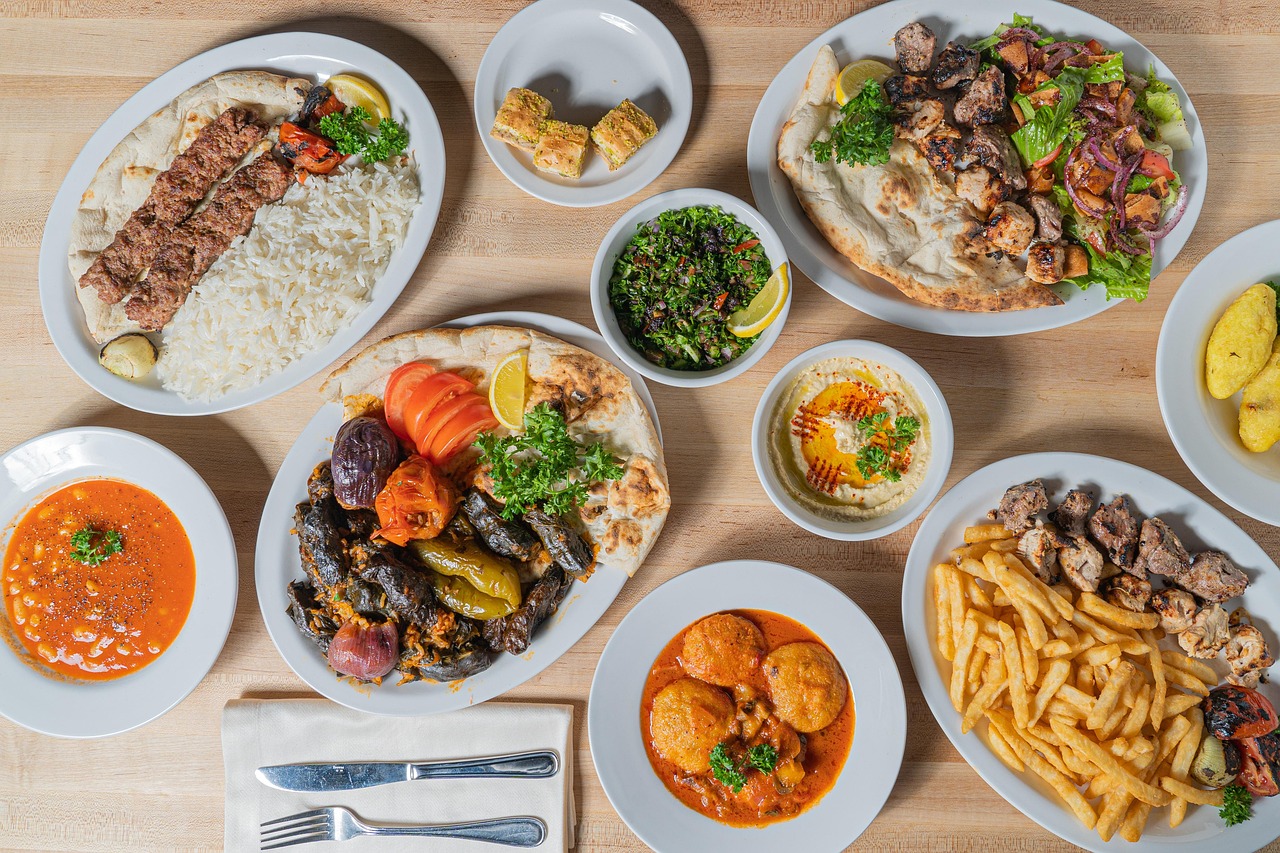
Cutting the Sugar with Zahter Tea
The secret to surviving a heavy Southeastern meal—which usually involves lamb fat and syrup—is the drink you pair with it. Most visitors reflexively order a standard black tea, but the locals know better. Ask for Zahter (wild thyme) tea. This isn’t your grocery store herbal bag; it’s a pungent, slightly bitter infusion of wild-harvested thyme from the mountains of the south.
Zahter acts as a natural digestive aid, cutting right through the richness of the kaymak and the sugar of the dessert. It’s often served in a small tulip glass with a single sugar cube on the side. Drink it plain to fully appreciate the medicinal, earthy aroma. It’s the only way to leave the table feeling energized rather than defeated by the calories.
Conclusion
That third piece of içli köfte always feels like a stroke of genius until you try to stand up. Southeastern cuisine doesn’t do “light,” and it certainly doesn’t apologize for the extra helping of lamb tail fat. To survive the afternoon without a mandatory nap, skip the tram and start the steady, uphill walk toward the Fatih Mosque complex.
This stretch of the city is where the polished, museum-wrapped facade of the Sultanahmet hotel district finally cracks, revealing the true melting pot of modern Istanbul. You’ll swap the English-language menus and pushy carpet sellers for the rhythmic shouting of the market traders and the scent of freshly ground spices that haven’t been packaged for gift shops. If the crowds feel overwhelming, just tuck into one of the narrow side streets; the chaos of Aksaray quickly gives way to the more stoic, religious atmosphere of Fatih.
I usually find my grounding near the mosque’s northern gate, where there’s a small, nameless tea hearth tucked into a stone alcove. Last week, a glass of dark tea there set me back 15 TL (about 0.30 EUR). There’s no view of the Bosphorus and no cushioned chairs—just a low wooden stool and the sound of the afternoon call to prayer echoing off the madrasah walls. It is a sharp, honest contrast to the curated experiences found elsewhere. It reminds you that while the rest of the world comes here to see the monuments, millions of people are simply here to live, eat, and find a quiet moment of shade in a city that never really stops moving.